CMV is the most common infectious cause of disability in babies.
If you’re pregnant or planning a pregnancy, knowing about CMV can help you reduce your risk of infection and protect your baby’s development.
CMV is a common herpes virus that usually causes only mild flu-like symptoms in healthy adults. It spreads through contact with saliva and urine — meaning toddlers and young children can pass it on to their parents during everyday activities like nappy changes, wiping noses or through sharing food or utensils.
If you have CMV infection in pregnancy, the virus can be passed to the developing baby. While most babies will not be affected, in some cases CMV can impact the baby’s brain development causing life-long disability.
Simple hygiene habits during pregnancy can reduce the risk — and awareness is the first step.
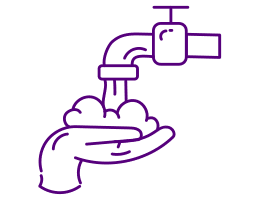
With no vaccine currently available to prevent CMV in pregnancy, the best way to reduce the risk of getting CMV in pregnancy is by maintaining good hygiene. Hygiene precautions are recommended for anyone who is pregnant or planning a pregnancy and are particularly important for those who work with or care for young children.
These simple strategies will also help reduce the risk of picking up other common illnesses like cold and flu.


Early testing for CMV is now recommended for pregnant women who have young children at home or who work in childcare. Ask your health professional for an early CMV test if you are pregnant and this sounds like you.
Testing is also recommended for pregnant women who have symptoms of CMV or ultrasound results that need further investigation.
If you are diagnosed with CMV during pregnancy, your midwife, obstetrician, GP or infectious diseases specialist can discuss options with you. This may include antiviral medications. You can read more about this in the CMV Diagnosis in Pregnancy information sheet.
Newborns in Australia are tested for CMV if their mother had a CMV infection in pregnancy or if they are unwell at birth or do not pass the newborn hearing screening.
If your newborn needs to be tested for CMV, a doctor or nurse will take a saliva or urine sample from your baby within the first 3 weeks of their birth.
If your baby is diagnosed with CMV at birth and has signs of infection, a paediatric infectious diseases specialist might recommend antiviral medicine for your baby. All babies diagnosed with CMV at birth should be followed up by a paediatrician regularly until they are 5 years old. You can read more about this in the Postnatal care of babies with CMV information sheet.
Thank you to all the families who have shared their congenital CMV stories to both increase awareness about CMV and to celebrate their beautiful children who have been impacted by this common virus. If you would like to share your story please contact Hayley here at Cerebral Palsy Alliance hsmitherssheedy@cerebralpalsy.org.au
Every June Cerebral Palsy Alliance joins together with clinicians, researchers, families and the CMV Association to raise awareness about CMV. You can see some of the pieces here: