Welcome to our 2026 March Institute Newsletter.
This newsletter consists of short summaries of completed research led by the CPA Research Institute, our colleagues, international highlights, and information about CPA Research Institute studies which are currently recruiting.
Please see the glossary located at the bottom with definitions for bolded keywords used within summaries. Keywords in summaries will only be bolded the first time they are used.
If you have any suggestions/feedback for this newsletter or questions for the researchers, please contact us here.
Authors: Shona Goldsmith, Tasneem Karim, Sarah McIntyre, Alice Rumbold, Atul Malhotra, Gulam Khandaker, Sugandha Arya, Emily Shepherd
This paper reviewed research and clinical guidelines from low‑ and middle‑income countries on giving pregnant women magnesium sulphate to protect the brains of babies born very early. Magnesium sulphate is known to lower the likelihood of cerebral palsy in preterm babies and is recommended by the World Health Organization. The review found many research studies and guidelines, mostly from middle‑income countries and focused on short‑term outcomes, rather than long‑term development like cerebral palsy. The review also found differences in how and when magnesium sulphate is given. The authors highlight the need for collaborative, context‑specific research and implementation studies, and relevant guidelines to improve outcomes for preterm babies globally. Find out more here.

Authors: Laura A Bentley, Sarah K Ashcroft, Sarah Reedman, Robert S Ware, Stina Oftedal, Craig Munns, Leanne Sakzewski, Roslyn N Boyd
This study looked at how lower‑limb strength and balance are related to falling in children with cerebral palsy who can walk independently. Parents reported how often their child fell over one month, and children completed simple clinic‑based movement tests. Many children fell frequently, and some were injured. The study found that children who found everyday strength and balance tasks—such as standing up from a chair, stepping sideways onto a step, or standing up from kneeling—more difficult tended to fall more often. Tests focused mainly on walking speed or distance were not linked to falls. These results suggest that common strength and balance tests may help clinicians and families identify children at higher risk of frequent falls and guide strategies to improve safety. Find out more here.

Authors: Stina Oftedal, Ellen Armstrong, Gaela Kilgour, Matthew Ahmadi, Stewart G Trost, Sean A Horan, Christopher Carty, Denise Brookes, Roslyn N Boyd, Leanne Sakzewski, Sarah E Reedman
This study explored how supportive home, school, and community environments relate to daily movement in children with cerebral palsy. Children wore activity monitors to measure how much time they spent sitting, doing light activity, or being more active, and parents reported how supportive their environments were (environmental supportiveness). Children who lived, learned, or spent time in more supportive environments spent less time sitting during the day (sedentary time). More supportive home environments were also linked to more light physical activity, such as gentle play or moving around the house. However, environmental support was not linked to higher levels of more intense physical activity. These results suggest that making everyday environments more supportive may help reduce sitting time and encourage gentle activity, while other factors may be needed to increase more vigorous exercise (moderate-to-vigorous physical activity). Find out more here.

Authors: Hércules Ribeiro Leite, Luana Cristina da Silva, Elton Duarte Dantas Magalhães, Israt Jahan, Nadia Badawi, Gulam Khandaker, Maysa Ferreira Martins Ribeiro, Juliana de Alcântara Moreira Pereira, Luma Sthephanine Viana Roque da Silva, Maria de Las Mercedes Ruiz Brunner, Paula Silva de Carvalho Chagas
This study used information from the Brazilian Cerebral Palsy Register (BrCPR) to better understand the lives of people with cerebral palsy across all ages. It looked at not only medical diagnoses, but also daily activities, participation in school or work, home and community environments, and access to services. Many people had significant movement difficulties and other health conditions, such as epilepsy, learning difficulties, feeding problems, or hip issues. While most received some rehabilitation, many families lacked home adaptations, assistive equipment, or sufficient financial support. By showing how health, daily life, and environments interact, this study highlights major unmet needs and the importance of improving health care, rehabilitation, accessibility, and social support for people with cerebral palsy and their families in Brazil. Find out more here.
Authors: Meredith Smith, Nicole Pope, Nadine Smith, Georgina Henry, Ingrid Honan, Kiara Corso, Grace Evans, Caitlin Doyle, Adrienne Harvey
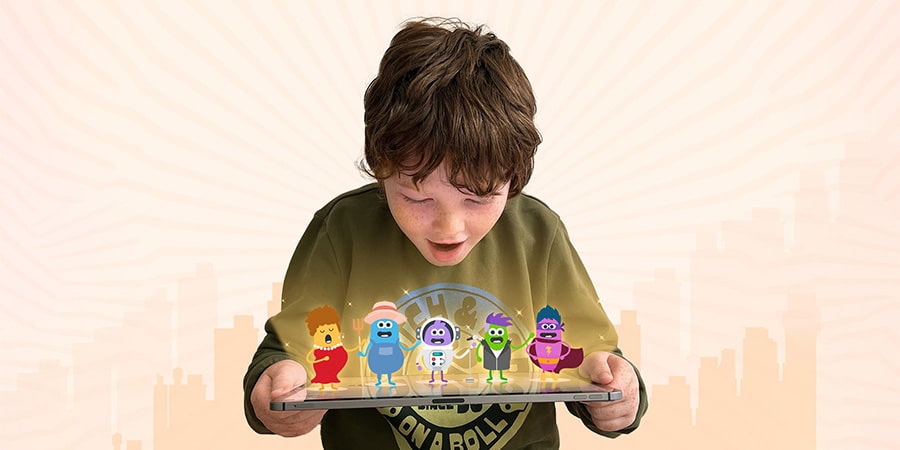
This review synthesized how health education has been designed and delivered for children living with chronic health conditions. The review included 118 studies. Most health education interventions were designed for children with endocrine/metabolic conditions. Delivery was mainly face-to-face, facilitated by health professionals, and conducted in hospital outpatient settings. Although, the use of digital facilitators or self-directed approaches via remote settings are emerging. Over half of the studies adopted multiple approaches to deliver health education, including a combination of: peer/cooperative learning, story/play-based strategies, caregiver involvement, pictorial representation and active/experiential learning. Only a few interventions were adapted for children with cognitive disabilities, with a lack of tailored approaches for children with physical or communication disabilities. These existing approaches to health education delivery for children with chronic conditions will inform the co-design of a chronic pain education intervention for children with cerebral palsy.

Research studies and clinical trials are a vital way to identify breakthroughs and advancements in the treatment and prevention of cerebral palsy.
Clinical guidelines: Evidence-based recommendations that guide health professionals on how and when to provide treatments.
Low- and middle-income countries (LMICs): Countries with lower or middle average incomes, where access to health care, equipment, and specialist services may be limited.
Magnesium sulphate: A medication given during pregnancy to women at risk of very preterm birth to help protect the baby’s brain and reduce the risk of cerebral palsy.
Cerebral palsy: A heterogeneous neurodevelopmental condition beginning in early life, caused by a non-degenerative brain disturbance that affects motor abilities and often other aspects of functioning across the lifespan. (Dan and colleagues, 2026)
Preterm babies: Babies that are born before 37 weeks of pregnancy.
World Health Organization (WHO): An international public health agency that develops global health recommendations and guidelines.
Long-term outcomes: Health or developmental effects that appear or persist over many years, such as cerebral palsy or learning difficulties.
Lower limb strength: The ability of the muscles in the hips, legs, and feet to produce force for movements like standing, stepping, and walking.
Clinic-based movement test: Simple tests that measure how well someone performs everyday movements, such as standing up from a chair or stepping onto a step.
Activity monitors: Wearable devices that objectively measure movement, including sitting, walking, and physical activity levels.
Environmental supportiveness: How well home, school, and community environments provide physical, social, and practical support for participation and movement.
Sedentary time: Time spent sitting or lying down while awake, with very little physical movement.
Light physical activity: Gentle movements such as slow walking, standing activities, or casual play that increase movement but not breathing or heart rate greatly.
Moderate-to-vigorous physical activity: More intense activity that increases heart rate and breathing, such as fast walking, running, or active sports
Brazilian Cerebral Palsy Register (BrCPR): A national database in Brazil that collects information on people with cerebral palsy across the lifespan.
Assistive equipment: Equipment such as wheelchairs, walkers, communication aids, or feeding supports that help people function more independently.
Rehabilitation: Therapies and supports (such as physiotherapy, occupational therapy, or speech therapy) aimed at improving function and quality of life.
Synthesized: Combined and integrated findings from multiple studies to produce an overall understanding of how health education has been delivered.
Chronic health conditions: Long‑term health conditions that often require ongoing management and can affect daily life and development.
Endocrine/metabolic conditions: Health conditions affecting hormones or metabolism, such as diabetes or metabolic disorders.
Digital facilitators: Technology‑based tools (e.g. apps, videos, websites) used to support or deliver education.
Self-directed approaches: Learning methods in which children engage with educational content independently or at their own pace.
Peer/cooperative learning: An approach where children learn by interacting with and supporting one another
Co-design: A collaborative research approach in which researchers work in equal partnership with people who have lived experience (such as patients, families, or community members) and other stakeholders to jointly design, develop, and refine research questions, methods, and interventions.
Chronic pain education intervention: A structured program designed to help people understand pain, build coping skills, and manage long‑term pain.