Welcome to our first Research Institute Newsletter for 2026.
This newsletter consists of short summaries of completed research led by the CPA Research Institute, our colleagues, international highlights, and information about CPA Research Institute studies which are currently recruiting.
Please see the glossary located at the bottom with definitions for bolded keywords used within summaries. Keywords in summaries will only be bolded the first time they are used.
If you have any suggestions/feedback for this newsletter or questions for the researchers, please contact us here.
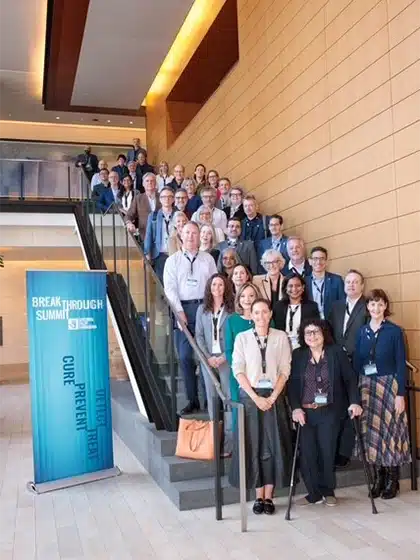
Cerebral Palsy Alliance is proud to partner with the Cerebral Palsy Foundation (CPF) in advancing efforts toward prevention, earlier detection, improved treatment, repair and ultimately cure. Held in Los Angeles from 25–27 January 2026, the CPF Breakthrough Summit convened 50 world-leading experts, including researchers, clinicians, industry leaders and people with lived experience, to accelerate progress across six priority areas. Co-chaired by Professor Nadia Badawi, the Summit aligned participants around key translational gaps and near-term opportunities—including genetics, organoids, regenerative medicine, pharmacology, immunology/inflammation, and emerging technology and AI—and launched six working groups to drive coordinated action. Cerebral Palsy Alliance was represented by Professor Iona Novak and Professor Rod Hunt, contributing expertise to help shape the Summit’s five-year scientific and translational roadmaps, milestones and partnership strategies. Together, this work sets a clear direction: to build a coordinated international network that accelerates translation from discovery to real-world care—and delivers measurable progress in prevention and cure.
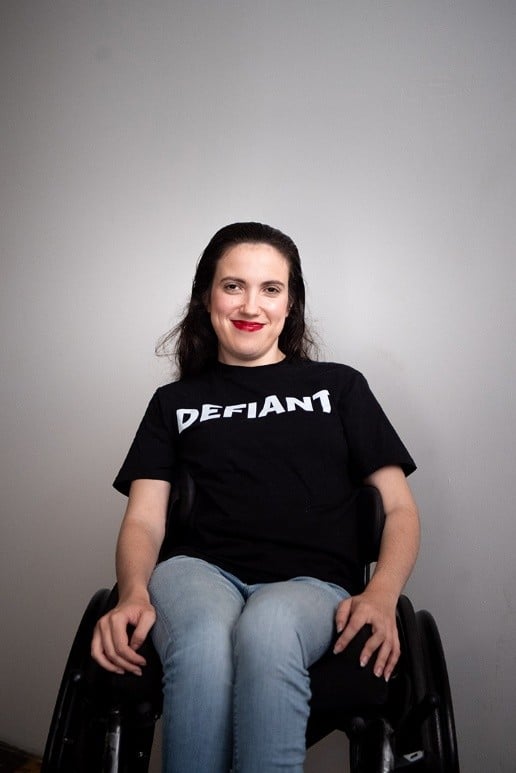
The Cerebral Palsy Alliance Research Institute is thrilled to announce that Hannah Diviney has joined the team as a part-time Research Communications Consultant. Hannah Diviney is an Australian writer, actress, speaker, disability advocate and author known for her powerful work in improving disability representation. She loves pop culture, reading, listening to music and being her creative self.
Hannah starred in the SBS dramedy Latecomers and played Norah in the 2024 film Audrey, earning an AACTA nomination for Best Supporting Actress. She has led global campaigns, including calling for a disabled Disney princess and successfully encouraging Lizzo and Beyonce to remove ableist language from their songs. Hannah published her debut memoir I’ll Let Myself In in 2023, sharing her journey and advocating for representation and visibility of people living with a disability across media and society.
Authors: Karen Lansdown, Hayley Smithers-Sheedy, Kim Bulkeley, Claudia Zagreanu, Michelle Irving, Margaret McGrath
This qualitative study explored experiences of dental care among people with cerebral palsy (CP) and their caregivers in Australia. Adults with CP and caregivers of children and adults, were interviewed. Analysis revealed three themes: (1) difficulties in identifying and accessing dental services, (2) ableism within oral health care, and (3) the importance of person-centred approaches. Barriers included structural and clinical challenges, systemic failures, and poor practitioner interactions. Positive experiences were linked to trust, communication, respect, and partnership. Participants suggested practical, inclusive strategies to improve access and coordination of dental care for people with CP.
Authors: Maria Mc Namara, Kristian Budini, Esther Norfolk, Iona Novak
This commentary discusses a recent Brazilian study that examined how well the Alberta Infant Motor Scale (AIMS) works when used online. The AIMS helps health professionals see how babies aged 0–18 months move and whether they may need extra support for their development. As many appointments shifted to telehealth during COVID19, it became important to know if online AIMS assessments were as accurate as inperson ones. The study compared three online methods with facetoface testing and found very similar results. This shows that online assessments are reliable, reduce barriers for rural and lowincome families, and promote broader participation in research and followup care. Find out more here.
Authors: Shona Goldsmith, Eleanor R Gunn, Alistair J Gunn, Nadia Badawi
Neonatal encephalopathy (NE) is a neurological condition in newborn babies in the first week of life. It affects about 1.2 million infants each year. Our commentary highlights the important findings of a recent research paper. Using a very large global database, the authors explored trends in neonatal encephalopathy among babies. They reported a mixed “score-card” across the globe. The findings from low-resource settings are particularly important - neonatal encephalopathy is becoming more common, and long-term disability is rising in babies who survive neonatal encephalopathy. It is vital that new research focuses on low-resource settings, and ways to maximise the health of babies and children in these regions. Find out more here.
Authors: Hayley Smithers-Sheedy, H Croker, A Adley, A W Shand, K Swinburn, T Tripathi, N Rode, L Hui
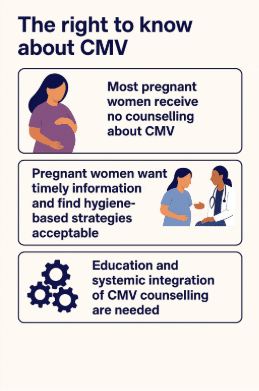
Cytomegalovirus (CMV) is the leading infectious cause of newborn disability in highincome countries, yet most pregnant women receive no counselling about prevention. This narrative review synthesises evidence and lived experience perspectives on antenatal CMV education. It shows that low health professional knowledge, confidence and misconceptions about feasibility and the potential for patient anxiety hinder counselling. In contrast, pregnant women want timely information, trust clinicians, and find hygienebased risk reduction strategies acceptable particularly when framed as time limited. Education, written and video resources, partner involvement and selective serological screening can support informed family decision making. System level integration of CMV counselling is urgently needed to reduce preventable harm from this common virus.
Authors: Annemarie Murphy, Sabrina Schaly, Darryl Chiu, Amelia Mitchell, Christina Shen, Geetika Maddirala, Tarkeshwar Singh, Alistair McEwan, Petra Karlsson
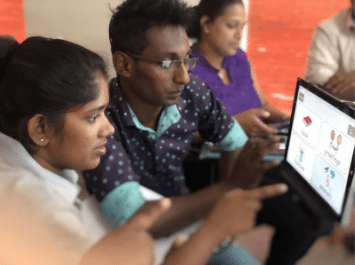
People with significant movement and communication difficulties often use assistive technology to help them communicate. This review looked at technologies developed from 2019 to 2024 that aim to make communication faster or more accurate for people who use augmentative and alternative communication (AAC). Fortysix studies were found, covering tools such as braincomputer interfaces (BCI), eye tracking, and systems that combine multiple access methods. Although these technologies are improving, they are still much slower than speech and few studies considered how communication partners can support device use. The review highlights the need for more user friendly, inclusive designs and better integration into everyday communication.
Authors: Michael C. Fahey, Madison C. B. Paton, Lauren Haddad, Karen Foreman, Michelle Martin, Iona Novak, Megan Barnett, Mirja Krause-Onwukwe, Annabel Webb, Ngaire Elwood, Megan Finch-Edmondson
This report describes the first child in Australia to receive her own stored cord blood as a treatment for CP through a special access pathway. The infusion was done safely in hospital, with no complications. Over the next six months, her movement scores improved more than expected, especially in standing, walking, running, and playing, which were identified as important to her. The case shows that using autologous cord blood infusion as a treatment for CP is possible and safe in Australia and may offer benefits for some children. The authors further discuss considerations for the future of cord blood as a possible treatment for CP in Australia.
Authors: Sonia Elliott, Margaret Wallen, Michelle McInerney, Avril Parry, Petra Karlsson
Eyegaze control technology helps people with physical disabilities communicate and take part in daily life. Although clinical guidelines exist, we still know little about how users experience services. This study explored the views of three adults with cerebral palsy who use eye gaze and four communication partners in Australia. Interviews showed that eye gaze technology opened up new opportunities for communication, independence, and connection. At the same time, people experienced inconsistent assessments, uneven support, funding hurdles, and technical challenges. Good outcomes depended not just on getting the technology but on reliable support, skilled clinicians, and time to build confidence.
Authors: Brian V Y Chow, Suzanne Davies, Catherine Morgan, Caroline D Rae, David I Warton, Iona Novak, Ann Lancaster, Gordana C Popovic, Rodrigo R N Rizzo, Claudia Y Rizzo, Iain K Ball, Robert D Herbert, Bart Bolsterlee
This study examined lower leg muscle architecture and change over time in 197 typically developing children (1.7 months – 15 years). Graphs were designed to suggest typical muscle size and structure throughout childhood. Researchers explored the impact of sex and age on muscle growth. Findings suggest lower leg muscle growth increased over time, with slightly higher muscle size at 5 and 15 years of age for boys compared to girls. The study also showed that after 5 years of age, lower leg muscles primarily grew in width, rather than length. Muscle changes were suggested to be influenced by other factors, such as how the muscles adapt to movement. Find out more here.
Authors: Simanto Saha, Petra Karlsson, Collin Anderson, Omid Kavehei, Alistair McEwan
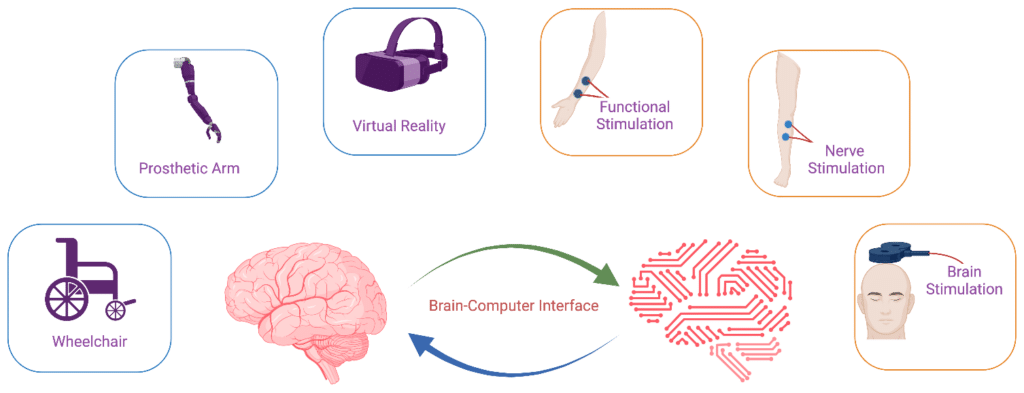
A brain–computer interface (BCI) is a technology that lets a person control a computer or device using their brain activity instead of their hands, voice, or other muscle movements. This can be especially helpful for people who cannot easily use traditional tools like keyboards, switches, or eye tracking systems. BCIs can support people with diverse needs and preferences, specifically those with some disabilities, by turning brain signals into actions. BCI design is often personalised rather than a single “one size fits all” system. This is because individual needs vary widely and are often shaped by diversity in disability type and severity, so building BCIs that adapt to each user is essential. Find out more here.
Authors: Tim Hurley, Fiona Quirke, Aoife Branagan, Robert McCarthy, Elaine Finucane, Graham King, Petek Eylul Taneri, Mohamed El-Dib, Frank Harry Bloomfield, Beccy Maeso, Betsy Pilon, Sonia Bonifacio, Courtney J Wusthoff, Lina Chalak, Cynthia F Bearer, Deirdre M Murray, Nadia Badawi, Suzann K Campbell, Sarah B Mulkey, Pierre Gressens, Donna M Ferriero, Linda S de Vries, Karen Walker, Sarah Kay, Geraldine B Boylan, Christopher Gale, Nicola J Robertson, Mary D’Alton, Tetyana H Nesterenko, Ulrike Mietzsch, Alistair J Gunn, Karin B Nelson, Declan Devane, Eleanor J Molloy
This study looked at how researchers around the world define and diagnose conditions like neonatal encephalopathy, hypoxicischemic encephalopathy, and perinatal asphyxia. These are all causes of early brain injury which are often linked to later disability, such as cerebral palsy. The authors found major inconsistencies in how these conditions are labelled and which criteria are used in clinical trials. For example, some studies relied on low Apgar scores or blood tests, while others required specific signs of brain dysfunction. With definitions varying so much, it becomes harder to compare studies or plan treatments. The authors highlight the urgent need for clearer, standardised definitions to improve diagnosis, research, and care. Find out more here.
Authors: Stewart Drew, Shafiul Islam, Israt Jahan, Mohammad Muhit, Nadia Badawi, Gulam Khandaker, Mahmudul Hassan Al Imam
This study explored what helps and makes it harder for children with cerebral palsy in rural Bangladesh to take part in rehabilitation. Caregivers and therapists explained that many families struggle with poverty, long travel distances, poor roads, and the time needed to attend therapy sessions. Caregivers also described emotional challenges, such as social stigma, and losing hope when progress is slow. Despite these difficulties, families were more likely to engage in therapy when services were nearby and lowcost, when they received support from relatives and other parents, and when they felt confident in how to help their child at home. Strengthening local services and caregiver support could improve access and outcomes.
Authors: Andrea Burgess, Lolyne Jeremiah, Steven Moiteau, Mahmudul Hassan Al Imam, Israt Jahan, Manik Das, Eunice Lubbe, Orion Sigley, Jeannie Barton, Nadia Badawi, Roslyn N Boyd, Gulam Khandaker
This study established the first population-based register of children with cerebral palsy (CP) on Tanna Island in Vanuatu. Children with CP were identified from the community using key informants and underwent neurodevelopmental assessments. Information on demographics, risk factors, clinical characteristics, nutrition, rehabilitation, and education was collected. The estimated prevalence of CP was 3.4 per 1,000 children, with many experiencing severe motor impairment and associated disabilities. Diagnosis was delayed, and most children had never received rehabilitation or attended school. The findings highlight major gaps in early diagnosis, rehabilitation, nutrition, and inclusive education for children with CP in Vanuatu.
Authors: Pranav R Jani, Traci-Anne Goyen, Kiran Kumar Balegar, Rajesh Maheshwari, Maria Saito-Benz, Tim Schindler, James Moore, Manelle Merhi, Melinda Cruz, Yang Song, Hayley McDonagh, Melissa Luig, Mark Tracy, Daphne D’Cruz, Aldo Perdomo, Stephanie Morakeas, Vishnu Dasireddy, Mihaela Culcer, Vijay Shingde, Karen Bennington, Joanna Michalowski, Andreja Fucek, Jennifer Querim, Sean Stevens, James Santanelli, James Elhindi, Brian Gloss, Robert Halliday, Dharmesh Shah, Himanshu Popat
This study tested whether a special monitoring device that measures how much oxygen reaches a premature baby’s brain can help keep their brain safer in the first days of life. One hundred extremely preterm infants were randomly assigned either to receive care guided by this brainoxygen monitor or to receive standard care. Babies whose care included the monitor had far fewer periods where their brain oxygen levels were too low or too high. Importantly, the treatment was safe, with no increase in medical complications. Longterm outcomes are still being studied with larger studies required moving forward. Find out more here.
Authors: Sailesh Kumar, William Tarnow-Mordi, Ben W Mol, Vicki Flenady, Helen G Liley, Nadia Badawi, Susan Walker, Jonathan Hyett, Anna Seidler, Emily Callander, John Simes, Rachel L O’Connell
This large Australian study looked at whether giving women sildenafil (also known as Viagra) during labour could improve a baby’s oxygen levels and reduce complications linked to low oxygen. More than 3,200 women took part, receiving either sildenafil or a placebo. The results showed no benefit—the rates of serious newborn problems, such as difficulty breathing, seizures, very low newborn wellness scores, or needing intensive care, were the same in both groups. There was also no reduction in emergency caesareans or assisted births for fetal distress. The study shows that sildenafil should not be used in labour to prevent birthrelated oxygen problems.
Authors: Mark S Scher, Harris Eyre, Steven Donn, James M Roberts, Michael E Msall, Carolyn M Salafia, Richard Towbin, Peter Robinson, Ken Loparo, Michael Berk, Elena Moro, Valerie Smith, Susan Ludington, Nadia Badawi, Rod W Hunt, Alistair Gunn, Harvey B Sarnat, Kirthana Kunikullaya, Betsy Pilon
This paper describes a life-course brain health program, bringing together providers for women during their reproductive years who experience pregnancy with their partners. Maternal-placental-fetal healthcare continues through neonatal and early childhood times to sustain brain health through adulthood. This proposed program – the Interdisciplinary Fetal Neonatal Neurology Collaborative – emphasizes integrative healthcare, including obstetrics, neonatology, neurology, mental health, primary care and family advocacy. This model promotes career-long learning to improve understanding of how early experiences begin before pregnancy to shape brain development and longterm outcomes. Proactive interventions with family-centered involvement promote prevention and strengthen reactive and reparative choices. The authors propose that improving brain health across generations will help reduce global inequities in brain health. Find more info here.
Authors: Sophie Dixon, Samantha Ashby, Caroline Kuhne, Karen Ray, Larissa Korostenski, Katya Zawada, Anna Mistry, Rosemary Day, Michelle Jackman
This study looked at the movement of babies who had meningitis in the first months of life, at three to four months old, to see whether this might predict their development at one year. Researchers used a videobased test called the Motor Optimality Score–Revised (MOSR). Most babies showed slightly less mature movement patterns. Babies with higher MOSR scores generally had better language and motor skills at 12 months. Babies with lower scores—especially in areas like ageappropriate movement variety and posture—were more likely to have developmental delays. This suggests MOSR may help identify infants who might benefit from early supports. Find out more info here.
Authors: Manik Chandra Das, Israt Jahan, Mahmudul Hassan Al Imam, Delwar Akbar, Shafiul Islam, Nuruzzaman Khan, Mohammad Muhit, Nadia Badawi, Gulam Khandaker
This study looked at how to better support families of young children with cerebral palsy living in rural Bangladesh. Researchers tested whether combining smallscale financial help (like training or resources to earn income) with communitybased rehabilitation (CBR) could strengthen caregivers’ social support networks. Caregivers who received this combined program showed the biggest improvements in feeling connected to others—mainly through joining community groups and receiving more social support. However, caregivers of children with more severe physical difficulties saw smaller improvements, likely because their caregiving demands were higher. Overall, the study shows that practical support plus community rehabilitation can help families feel less isolated, especially in lowresource settings. Find out more here.
Authors: Katherine A. Benfer, Asis K. Ghosh, Sayak Chowdhury, Golam Moula, Sandip Samanta, Pradip Maiti, Anjan Bhattacharya, Naila Zaman Khan, Koa Whittingham, Robert S. Ware, Cathy Morgan, Sasaka Bandaranayake, Iona Novak, Roslyn N. Boyd
This study explored the ability of two tools to identify infants at high risk of developing cerebral palsy (CP) in India. A variety of key movements from 785 infants were observed by physicians using the General Movements Assessment (GMA) and/or the Hammersmith Infant Neurological Examination (HINE). Findings showed that both tools were precise and consistent at identifying infants at high risk of developing CP in India. Researchers suggest these early detection tools may also benefit other low- and middle- income countries in identifying infants at high risk of developing (CP). Find out more here.
Authors: Natasha Amery, Caroline F. Alexander, Alison T. Salt, Sarah E. Hall, Catherine Elliott, Catherine Morgan, Alicia J. Spittle, Jane Valentine, PhD
This study examined the early movements of more than 1,800 newborns in Western Australia to understand what typical infant movement looks like. Using video based assessment (the General Movements Assessment), most babies showed typical movements, while about onethird showed less varied, more repetitive movements. Researchers created charts showing how babies in the general population score on the General Movement Optimality Score–Revised (GMOSR), which measures the quality and variety of a baby’s spontaneous movements. Babies born slightly early, needing nursery care, who were older at video collection or from less advantaged backgrounds tended to score slightly lower. Overall, the study supports earlier identification of infants who may benefit from extra developmental monitoring. Find out more here.
Authors: Thi Hong Hanh Khuc, Tasneem Karim, Minh Chau Cao, Thi Van Anh Nguyen, Thi Huong Giang, Quang Dung Trinh, Rachael Dossetor, Van Bang Nguyen ,Nadia Badawi, Lal, Sarah McIntyre, Gulam Khandaker & Elizabeth Jane Elliott.
This study looked at the experiences of 765 children with cerebral palsy receiving care at the National Children’s Hospital in Hanoi. Most children had received some form of rehabilitation, usually starting very young (around nine months old) and most often physiotherapy provided at home. For the small number who had never received rehabilitation, almost all families reported not being aware of the services or the potential benefit to their child. Children who were younger, had very severe movement difficulties, or were malnourished were less likely to get the therapy they needed. These findings show the need for better community education, earlier support, and targeted help for the most vulnerable children. Find out more here.
Authors: Bernard Dan, Peter Rosenbaum, Lucinda Carr, Martin Gough, John Coughlan, Nonyelum Nweke
This paper updates how cerebral palsy (CP) is described, based on input from people with CP, families, clinicians, researchers, and global organizations. CP is explained as a lifelong condition that begins early in life and affects how a person moves, maintains posture, and controls muscle tone. It can involve different movement difficulties, such as muscle stiffness, involuntary movements, or coordination challenges, and often comes with other experiences like pain, fatigue, communication requirements, or learning needs. The updated description emphasizes individuality, participation, and lived experience, recognizing that each person with CP is different and that needs change over time.
Research studies and clinical trials are a vital way to identify breakthroughs and advancements in the treatment and prevention of cerebral palsy.

Ableism – Discrimination, prejudice, or systemic bias against people with disabilities, resulting in unequal treatment or reduced access to services.
Ageappropriate movement variety and posture – The range of movements and postures expected for a baby’s developmental stage.
Alberta Infant Motor Scale (AIMS) – A standardized observational tool used to evaluate motor development in infants aged 0–18 months.
Antenatal CMV education – Information provided during pregnancy to reduce risk of cytomegalovirus transmission.
Assistive technology – Devices that support communication, mobility, or daily activities for those with disabilities.
Augmentative and alternative communication (AAC) – A range of tools, strategies, and technologies that support or replace spoken communication for people who have difficulty with speech.
Autologous cord blood infusion – An infusion of one’s own cord blood, collected from the placenta and stored at birth.
Birthrelated oxygen problems – Situations in which newborns experience insufficient oxygen during labour or delivery, increasing risk of injury.
Braincomputer interface (BCI) – A technology that detects and interprets a person’s brain activity and translates it into commands to control a computer, device, or software without requiring physical movement.
Cerebral palsy (CP) – Cerebral palsy is a heterogeneous neurodevelopmental condition beginning in early life, caused by a non-degenerative brain disturbance that affects motor abilities and often other aspects of functioning across the lifespan. (Dan and colleagues, 2026)
Clinical characteristics – Measurable or observable medical features of a condition.
Communitybased rehabilitation (CBR) – Local rehabilitation programs that promote inclusion, independence, and community participation.
Community groups – Local organisations or collectives that offer social connection and support.
Communication partners – People who assist or interact with a person using communication tools or AAC systems.
Cytomegalovirus (CMV) – A common virus that can cause disability when contracted during pregnancy.
Developmental monitoring – Ongoing observation of developmental milestones to identify concerns early.
Developmental delays – Slowerthanexpected achievement of developmental milestones.
Early diagnosis – Identifying a condition as early as possible to support intervention.
Early detection tools – Screening tools used in infancy to identify risk of developmental or neurological disorders.
Familycentred involvement – Participation of families as active partners in all aspects of care.
Followup care – Continued assessment or services after an initial appointment or intervention.
Focus groups – Structured smallgroup discussions used to collect qualitative data.
General Movements Assessment (GMA) – A videobased tool assessing spontaneous infant movement to predict neurological outcomes.
General Movement Optimality Score–Revised (GMOSR) – A scoring system measuring quality and variety of infant spontaneous movements.
Global database – A large international dataset combining information from multiple countries.
Group orientation – An introductory session to prepare participants for a group program.
Hammersmith Infant Neurological Examination (HINE) – A standardized neurological assessment for infants to evaluate risk of CP.
Health professional knowledge – Understanding among clinicians about specific conditions or care practices.
Hygienebased risk reduction strategies – Actions that reduce infection risk through improved hygiene practices.
Hypoxicischemic encephalopathy (HIE) – Brain injury caused by insufficient oxygen and blood flow around the time of birth.
Interdisciplinary FetalNeonatal Neurology Collaborative – A proposed program integrating care across pregnancy, neonatal care, and childhood.
Integrative healthcare – A coordinated model combining different areas of medicine and support services.
Involuntary movements – Movements that occur without conscious control.
Lifecourse brain health program – A model focusing on brain health from prepregnancy through adulthood.
Low and middleincome countries – Nations classified by lower levels of economic resources.
Lowresource settings – Environments with limited healthcare, infrastructure, or economic support.
Lived experience – Personal knowledge gained through directly living with a condition.
Maternalplacentalfetal healthcare – Care spanning pregnancy, placental health, and fetal development.
Mental health problems – Challenges affecting emotional and psychological wellbeing.
Mindfulnessbased stress reduction (MBSR) – A structured mindfulness program for reducing stress.
Mindfulness strategies – Techniques that promote presentmoment awareness.
Mindfulness telehealth programs – Mindfulness programs delivered remotely.
Motor Optimality Score–Revised (MOSR) – A structured assessment measuring infant movement quality.
Muscle architecture – The arrangement and structure of muscle fibers.
Neonatal encephalopathy (NE) – Brain dysfunction in newborn infants.
Neurodevelopmental assessments – Evaluations measuring a child’s motor, cognitive, and behavioural development.
Nursery care – Specialised care provided to newborns after birth.
Online group context – Group programs delivered virtually.
Oral health care – Health services related to the mouth, teeth, gums, and related structures, including dental treatment, hygiene practices, and preventive care.
Partner involvement – Inclusion of partners in health education or intervention.
Peerlearning – Learning that occurs through interaction with peers.
Perinatal asphyxia – Oxygen deprivation of a baby before, during, or immediately after birth.
Personcentred approaches – Care that respects individual preferences, values, and needs.
Physical disabilities – Conditions affecting mobility or physical functioning.
Populationbased register – A database capturing all cases of a condition within a defined geographic population.
Proactive interventions – Preventive actions taken early to reduce risk.
Selective serological screening – Targeted blood testing for infection or immunity.
Special access pathway – A regulatory pathway allowing access to treatments not yet widely approved.
Standardised definitions – Agreedupon terminology used consistently in research or clinical practice.
Structural and clinical challenges – Barriers within healthcare systems and clinical processes.
System level integration of CMV counselling – Incorporation of CMV education into routine prenatal care.