Communication is often thought of as being just about talking, but in reality, it’s about so much more.
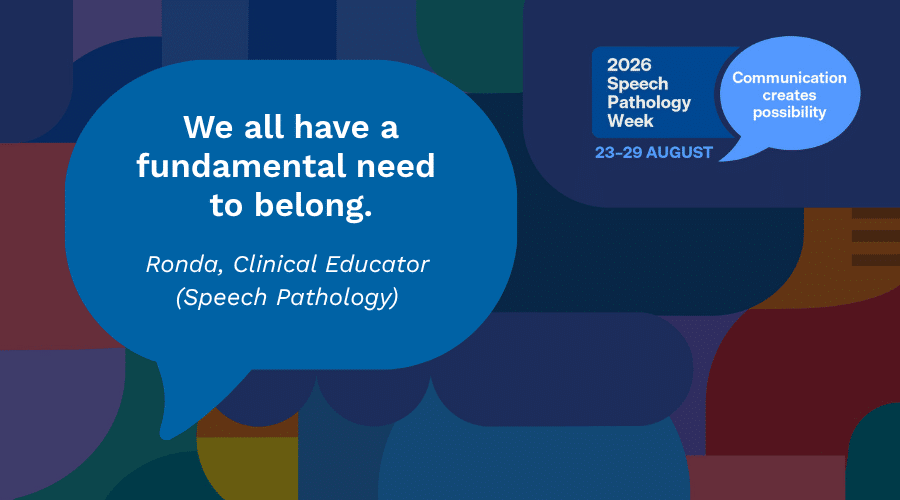
Our ability to communicate helps us develop relationships, build connections and have a sense of purpose in the world. We all have a fundamental need to belong, and communication is one of the primary ways we develop that sense of belonging.
Communication allows us to express our identity and share our opinions, preferences and life stories. It gives us a ‘voice’ to share our experiences and advocate for ourselves.
For many people with disability, communication barriers can increase the risk of social isolation and impact community participation. They can also affect access to healthcare, education and learning, independence and employment opportunities.
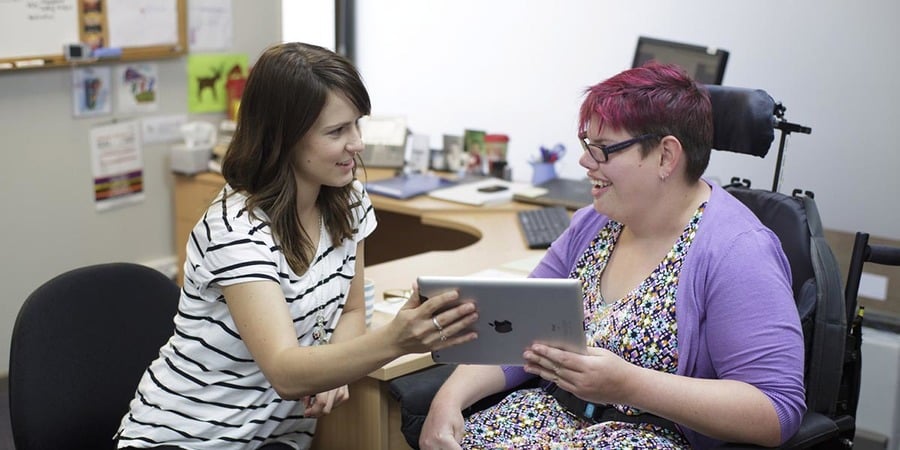
As speech pathologists, when we support a person’s communication, we’re not just looking at strategies to help them get their message across. We also need to consider how we can create opportunities for connection, participation and a sense of purpose.
There are practical ways parents, carers and other communication partners can help people with disability communicate in ways that support a greater sense of belonging.
Before we can expect someone to communicate, we need to create space for their communication to be received.
One of the simplest things we can do is allow enough time for someone to respond. People with communication difficulties may need additional time to gather their thoughts, put their message together and express themselves.
For others, visual supports or access to Augmentative and Alternative Communication (AAC) can create more opportunities for genuine interaction.
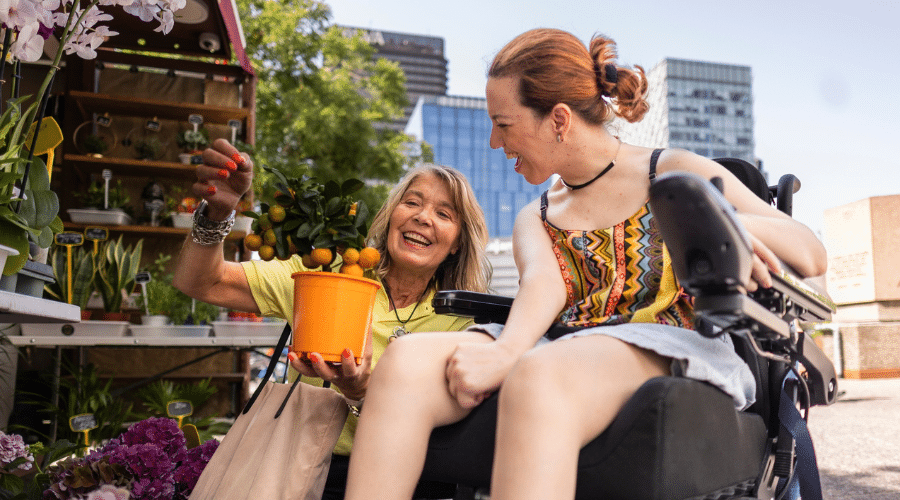
It’s also important that people have opportunities to practise and use their communication strategies in everyday situations.
Therapy may involve supporting someone to advocate for themselves, participate in community groups, build friendships and use their communication strategies across different environments.
That’s why speech pathologists often work alongside the other people in someone’s life – including families, schools, employers, support workers and other professionals – to help create opportunities for communication beyond the therapy setting.
Because ultimately, our work is about something much bigger than communication skills alone.
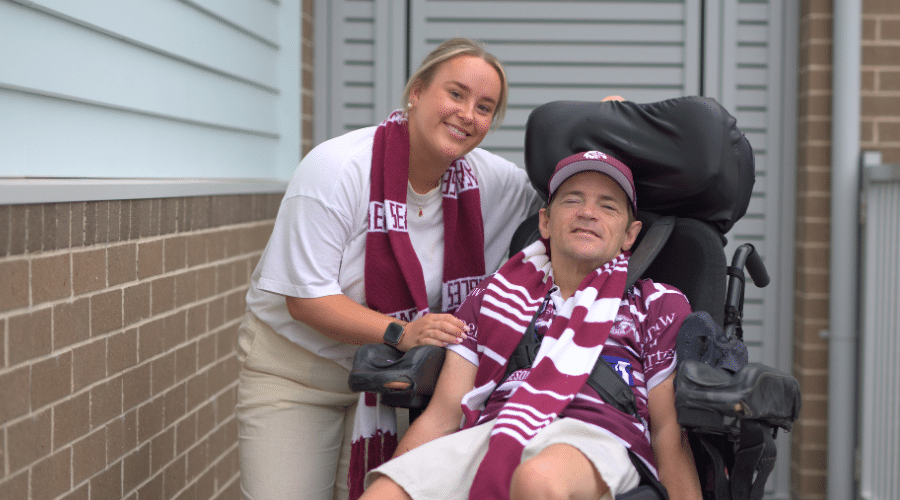
Communication gives people opportunities to connect, contribute, express themselves, build relationships and be known.
Every person deserves to feel valued, included and connected. For me, that’s what Possibility to belong is about – helping create communities where people have opportunities to communicate, participate and find their place to belong.