The report, Pathways to Possibility: Understanding Assistive Technology Priorities and Access Barriers Through Lived Experience, explores what people with disability and their families want from future technology, and the barriers preventing them from accessing the equipment and support they need.
Conducted by researchers from the CPA Research Institute in collaboration with Remarkable, CPA’s disability technology innovation arm, the study surveyed 21 people with lived experience, including people with disability and family members, across different ages, disabilities and countries.
Assistive technology can make an enormous difference to everyday life, from communication devices and mobility aids to educational software and equipment that supports greater independence.
Participants identified three key priorities for future technology development:
Importantly, participants focused less on specific devices and more on what technology could help them achieve.
As one participant explained:
“Autonomy and participation are key to our development as humans.”
Another highlighted how mobility challenges can affect other areas of life, including the energy needed to participate in work, education and community activities.
One of the most important findings was that many people struggle to access assistive technology, even when suitable solutions already exist.
Participants described difficulties discovering available products, navigating funding processes, finding specialist advice and accessing ongoing support.
One parent shared:
“We have navigated the field using word of mouth and trial and error, which is sometimes expensive.”
The research identified barriers across the entire journey, from discovering a technology and choosing the right option to obtaining funding, learning how to use it and maintaining it over time.
These findings highlight that developing new technology alone is not enough. People also need the right information, professional guidance and support to use it effectively.
The report reinforces the importance of involving people with disability and their families in the design, development and implementation of assistive technology.
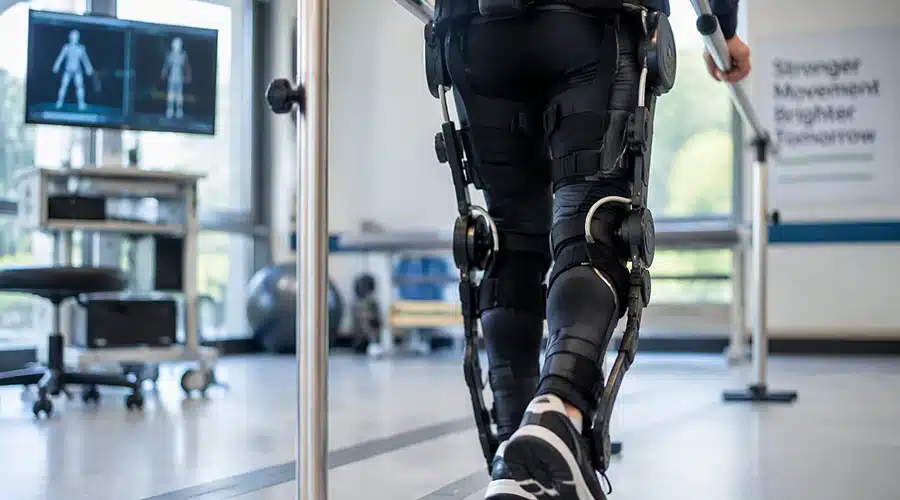
Participants shared valuable insights into emerging technologies, including rehabilitation robotics, communication systems, mobility equipment and personalised supports.
Through CPA’s Research Institute and Remarkable, we are committed to bringing together researchers, clinicians, innovators and people with lived experience to develop practical solutions that address real-world needs.
This approach reflects CPA’s broader mission to create a world of opportunity for people with cerebral palsy and similar disabilities through research, services, advocacy and enabling technology.
The findings highlight four important opportunities for future research and innovation:
1. Improve awareness and access: Make it easier for people to discover and understand available technologies.
2. Strengthen support: Improve access to assessment, training, maintenance and specialist advice.
3. Develop personalised solutions: Ensure technology meets individual needs, goals and changing circumstances.
4. Continue co-design: Involve people with lived experience throughout research, development and service delivery.
While this was a small exploratory study, the findings provide valuable direction for future research, technology development and investment.
By focusing not only on innovation but also on the pathways that connect people with technology, CPA and Remarkable are helping ensure that advances in assistive technology translate into meaningful improvements in everyday life.