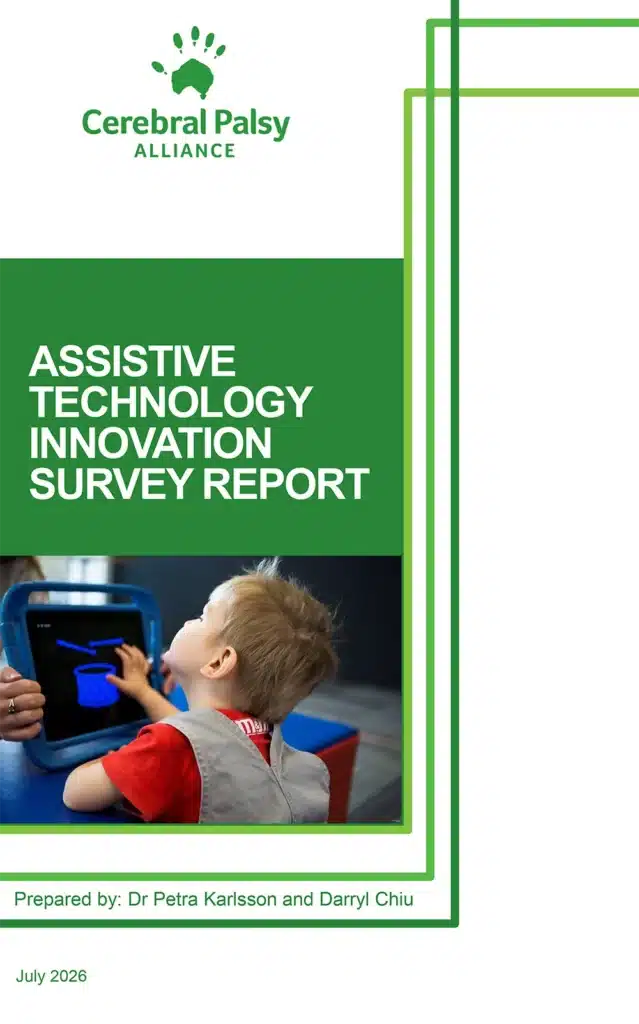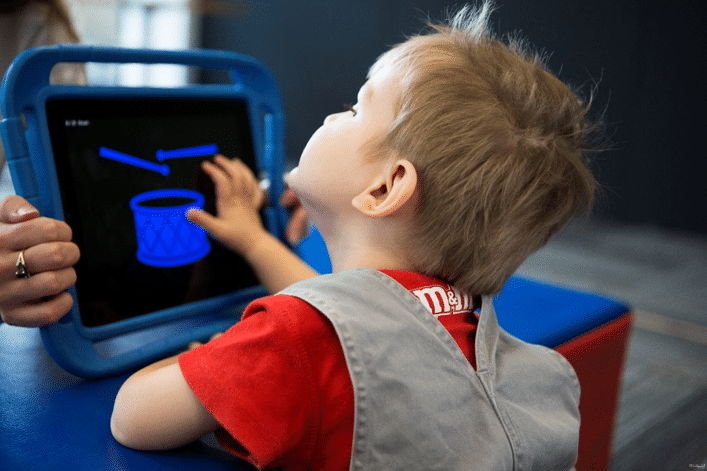
The survey reveals a consistent message: assistive technology is still too complex, too hard to use, and too often out of reach. Families, clinicians, and researchers want solutions that fit seamlessly into everyday life, supporting communication, mobility, autonomy, and participation. Understanding these priorities ensures that future innovations are not only technically advanced but genuinely usable, equitable, and impactful.
The findings show that effective assistive technology must be easy to use, empowering, and accessible to all.
Together, these perspectives point to a shared goal: technologies that improve daily life, not just therapy outcomes.
This study forms part of Cerebral Palsy Alliance’s commitment to advancing technology that improves outcomes for people with cerebral palsy. By bringing together clinicians, engineers, researchers, and families, we aim to co‑design solutions that are practical, safe, and meaningful in everyday life. The findings highlight an urgent need for engineering approaches that prioritise usability, adaptability, and lived‑experience expertise.
Future innovation must be co‑designed with the people who will use and support these technologies. Priorities include simplifying device setup, designing for changing needs over time, ensuring global affordability and availability, and strengthening education so families can make informed choices. These insights provide a roadmap for research and development that leads to sustainable improvements in communication, mobility, play, learning, and participation.
Click here to download the report.