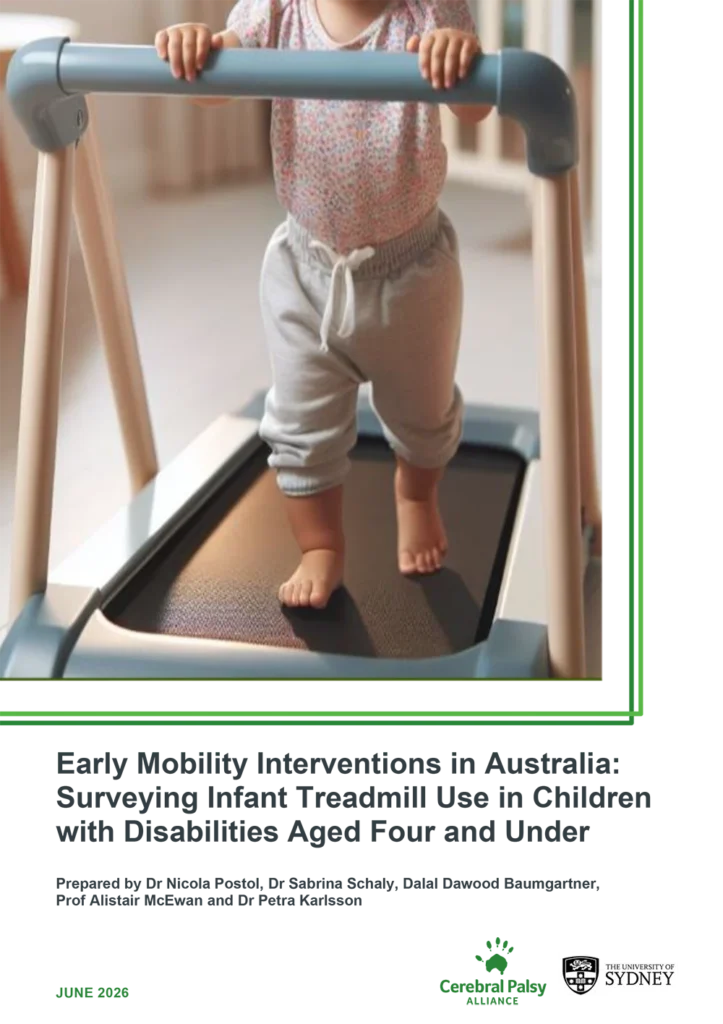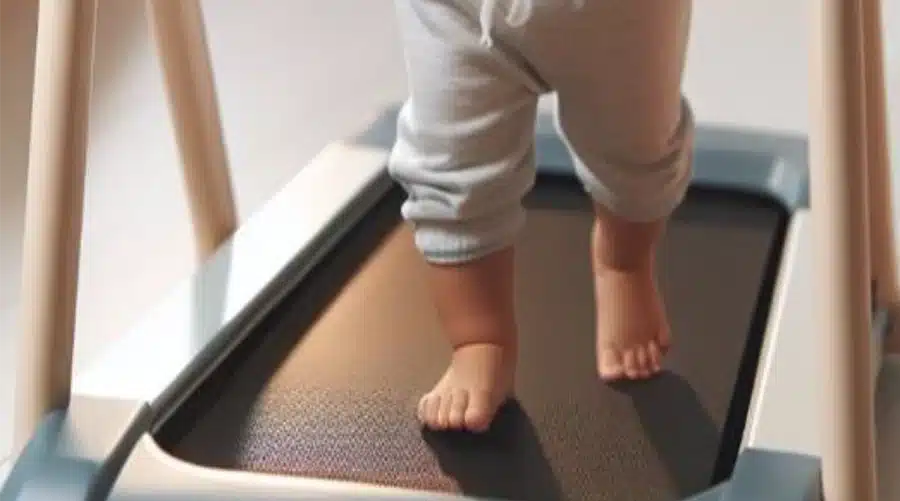
The report, Early Mobility Interventions in Australia: Surveying Infant Treadmill Use in Children with Disabilities Aged Four and Under, explored how physiotherapists and exercise physiologists currently use treadmill training with young children and what barriers prevent wider access.
Research shows that children with cerebral palsy and similar disabilities often take longer to begin walking and may experience reduced independent mobility. Early intervention is designed to provide children with as many opportunities as possible to move, explore, and learn through movement, during the critical early years of development.
There is strong international evidence that treadmill training can improve walking speed, endurance, gait symmetry, and mobility outcomes for children with cerebral palsy and Down syndrome. Studies have also shown that it can help some children begin walking earlier.
Yet despite this evidence, Australia currently has no Therapeutic Goods Administration (TGA)-approved treadmills designed specifically for children aged four and under.
The national survey included physiotherapists and exercise physiologists working with young children with disabilities across Australia.
Researchers found:
For families, the findings highlight a broader challenge often seen across disability services: evidence-based interventions are not always readily available.
Professor Alistair McEwan, Dr Petra Karlsson, Dr Nicola Postol and colleagues believe that developing affordable, accessible infant treadmills could help more children access early mobility opportunities at the time they are most beneficial.
Importantly, the report also highlights the need for caregiver education, clinician training and equipment loan programs to ensure families can safely access and use these devices.
The study forms part of CPA’s broader commitment to improving outcomes through technology and innovation. By working alongside clinicians, engineers and families, researchers hope to co-design solutions that are practical, safe and meaningful in everyday life.
The findings suggest that engineering solutions for infant treadmills are both feasible and urgently needed. With the right investment, regulatory pathways and collaboration, Australia could become a leader in delivering accessible early mobility technologies to children who need them most.
The report recommends developing a TGA-approved infant treadmill, creating equipment loan pools, supporting home-based use through training and conducting future clinical trials to better understand how much treadmill practice delivers the greatest benefit.
For children with cerebral palsy, mobility is more than movement. It is participation, independence, and opportunity. This research is an important step towards ensuring more children have access to the tools they need to move through the world with confidence.
Click here to download the report.