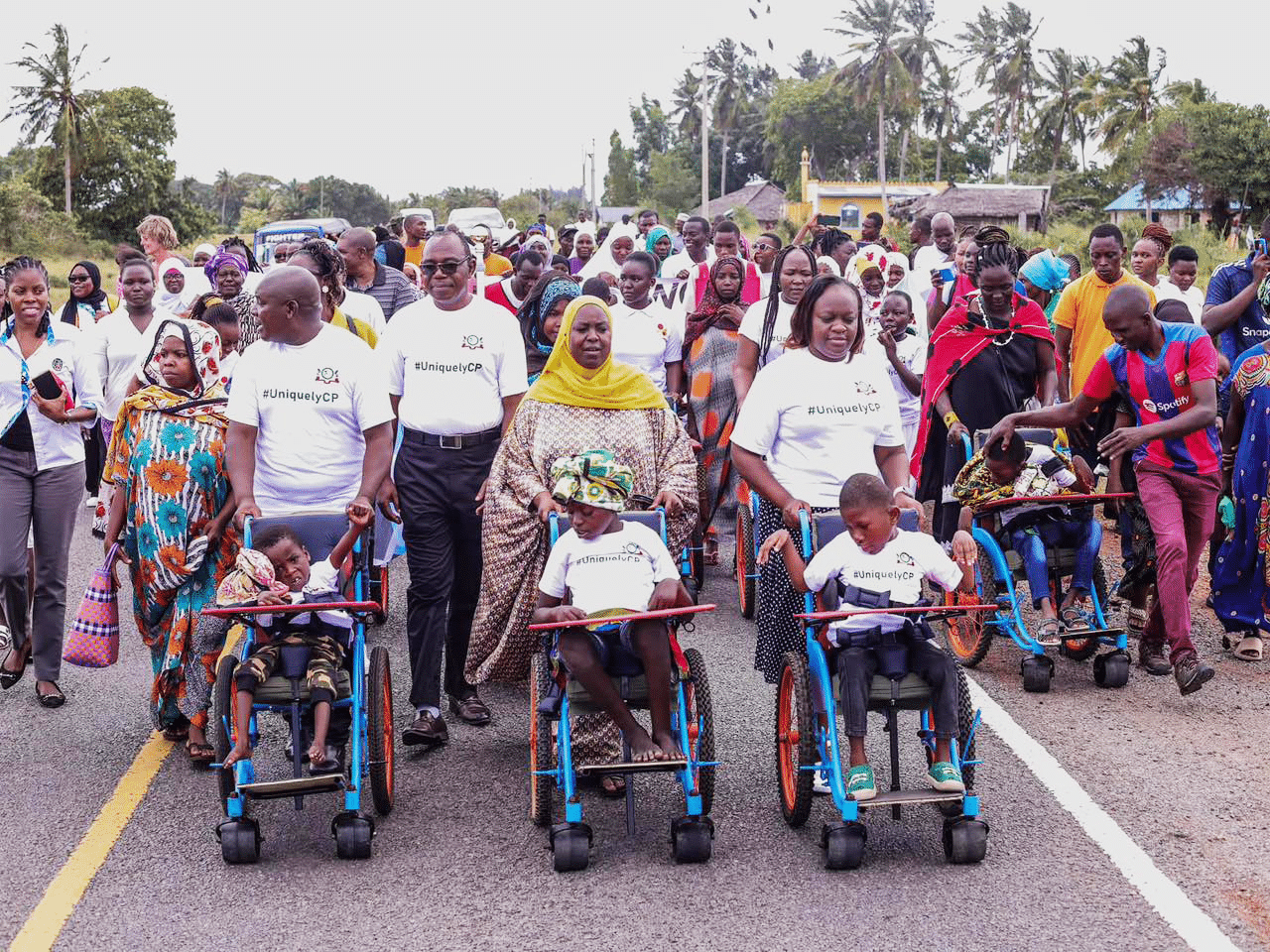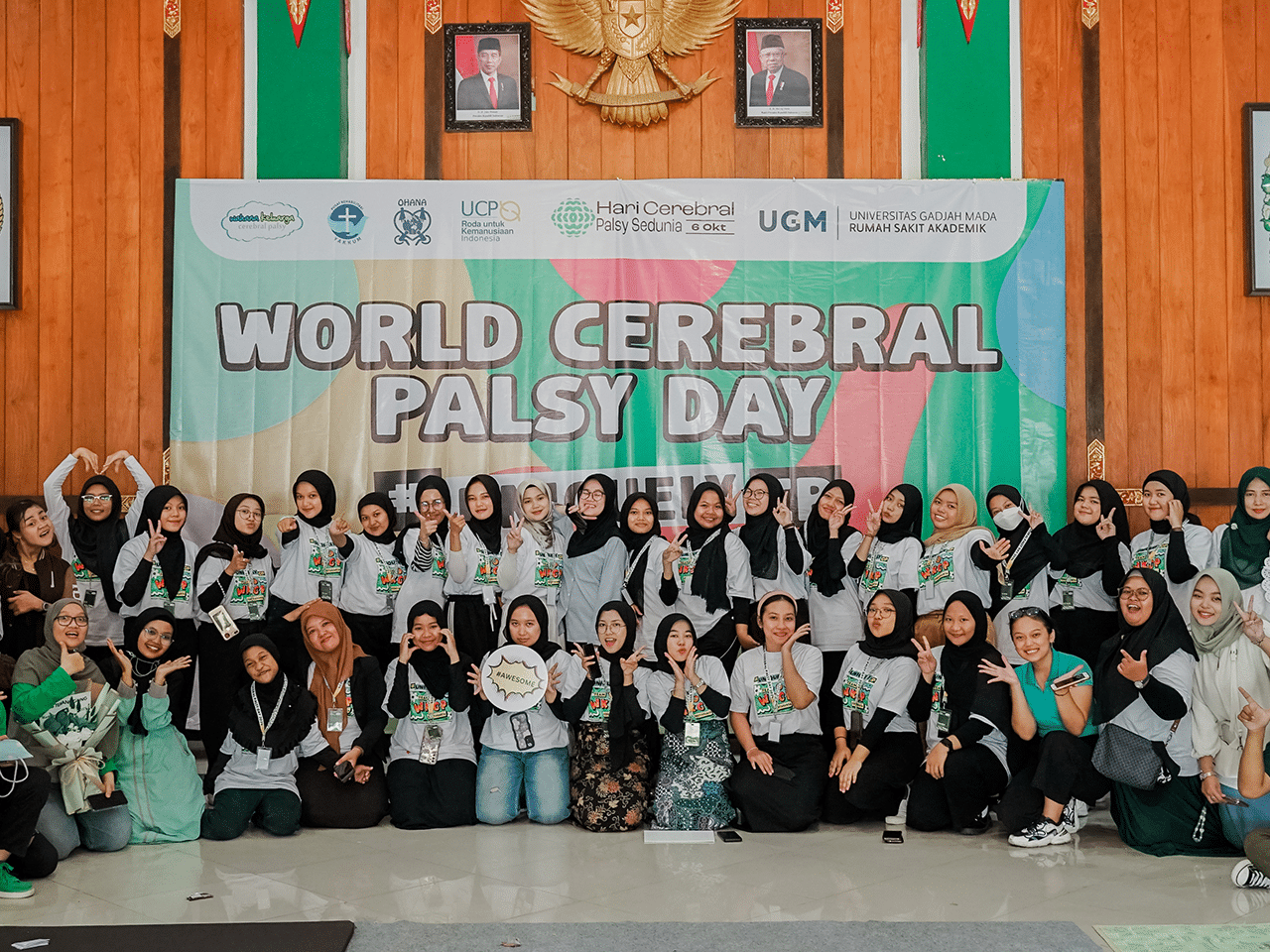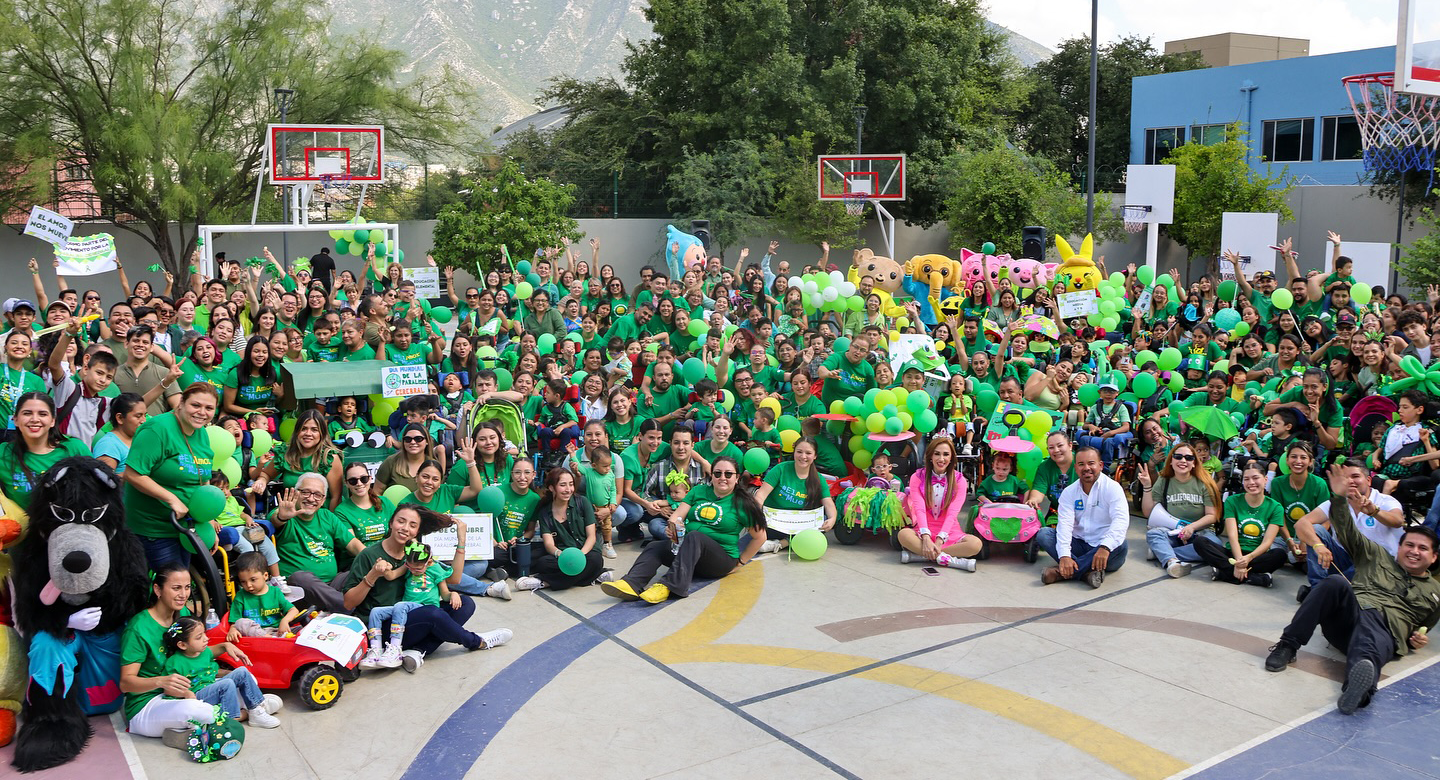
This year’s #UniqueANDUnited campaign asks people with cerebral palsy, their families, friends and allies to name the change they want to see and connect with someone who can help make it happen.
It might be greater inclusion at work, equal opportunities in education, better access to lifelong services and assistive technology, greater involvement in decisions that affect people with cerebral palsy, or better representation in media and culture.
Choose your change. Share it. Tag someone who can make it happen.
Everyone can take part. If you don’t have cerebral palsy, think about what you have heard and learned from people with CP when choosing your change.
At Cerebral Palsy Alliance, our change is formal United Nations recognition of 6 October as World Cerebral Palsy Day.
Formal UN recognition would give World Cerebral Palsy Day an enduring place on the international agenda each year and could help build greater attention to research, lifelong services, inclusion and opportunity.
Australia helped start World CP Day. Now CPA is asking the Australian Government to support formal UN recognition, and you can help make it happen by registering your support at: https://worldcpday.org/un/
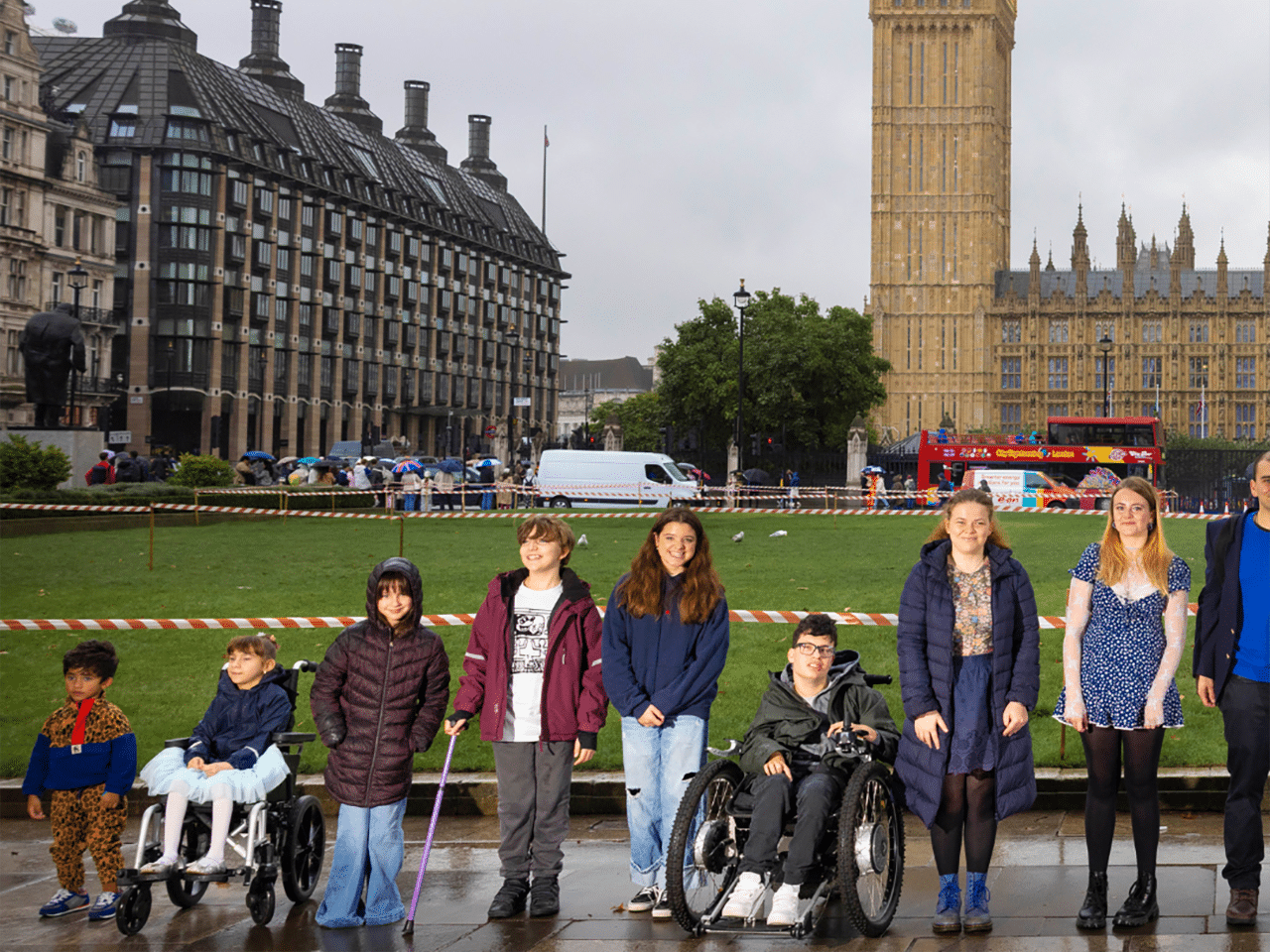
Join our CPActive Champions as they show up on the doorsteps of our governments on 6 October. We’re encouraging people with cerebral palsy and their allies to join CPActive and head to their local Parliament, proving the power of our community. We want politicians and decision-makers to know that people with CP are here; we have collective power and we want to see change.
We have CPActive Champions leading us in capital cities across Australia and need the power of our community. Will you join us?
World Cerebral Palsy Day has strong Australian roots.
In 2012, Cerebral Palsy Alliance and United Cerebral Palsy in the United States founded World CP Day.
Its first campaign, Change My World, invited people with cerebral palsy to submit ideas that could improve their lives. The winning idea, a solar-powered wheelchair, captured the campaign’s focus on listening to the CP community and turning ideas into action.
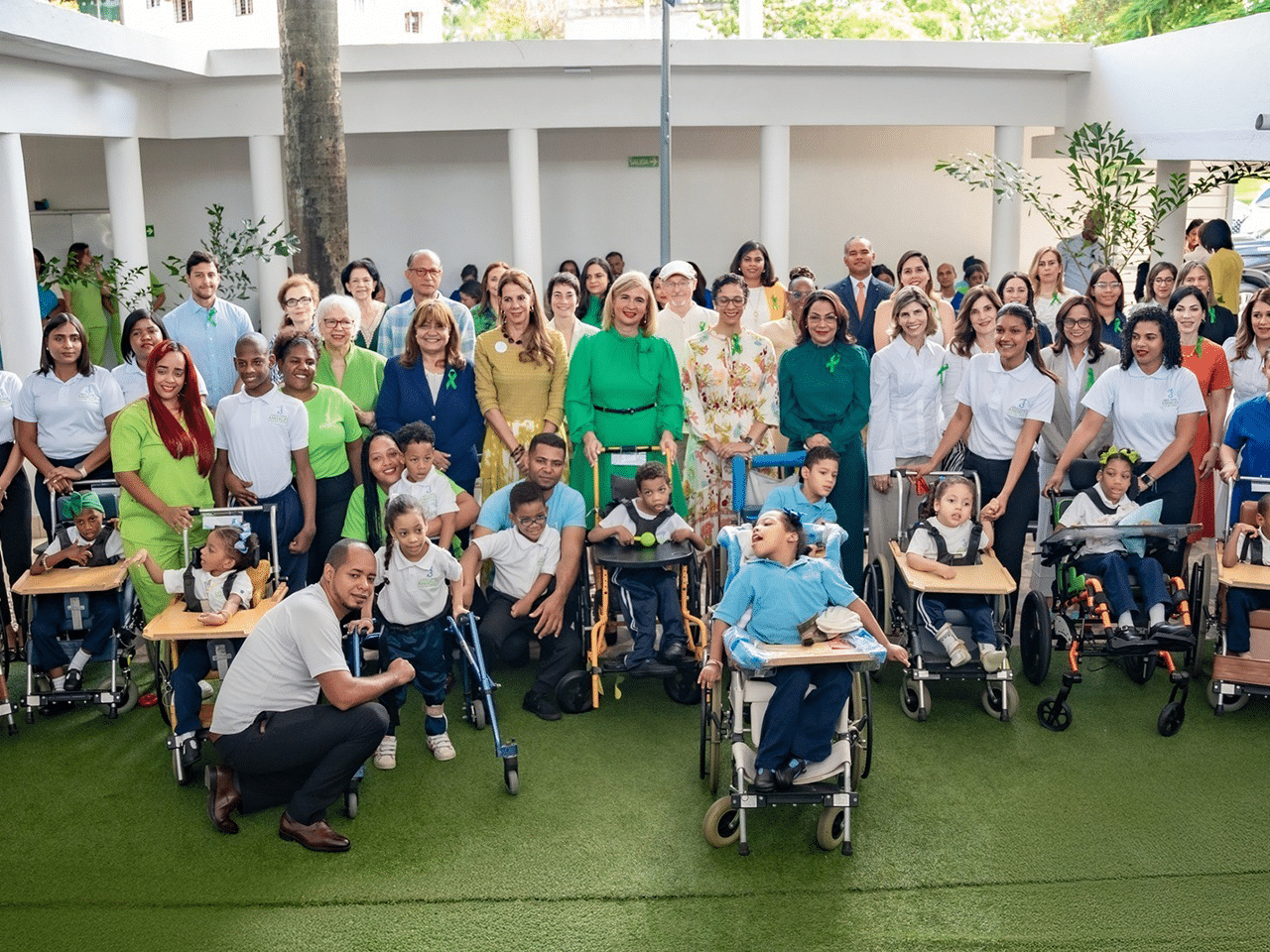
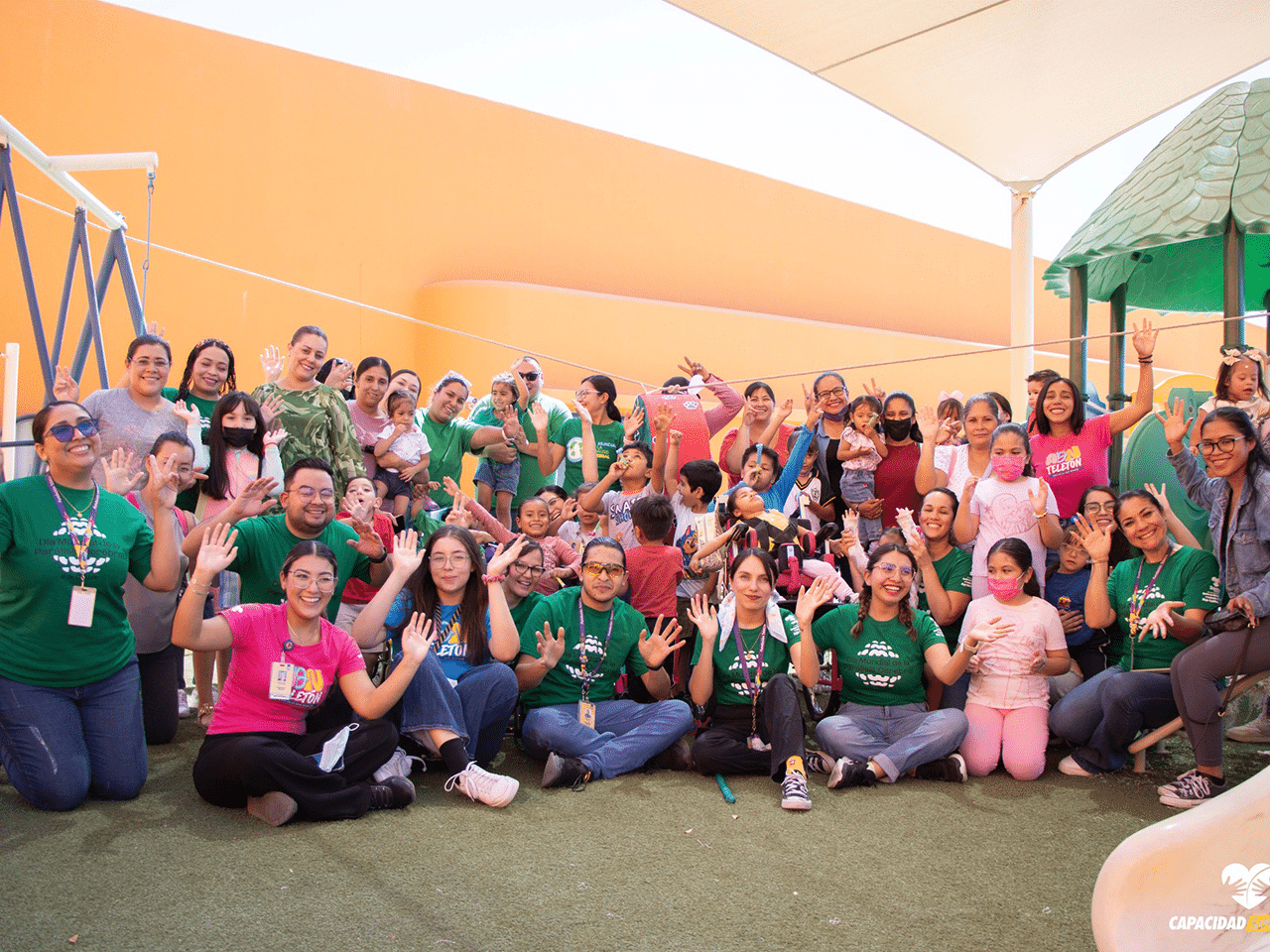
From those beginnings, World CP Day has grown into a global movement involving more than 187 partner organisations and reaching millions of people each year.
CPA continues to champion the day and its founding purpose: ensuring people with cerebral palsy are seen, heard and involved in shaping the decisions that affect their lives.
Australia has also played a leading role in cerebral palsy research, early diagnosis and prevention.
Australian research and clinical leadership are helping children receive a diagnosis and access intervention earlier, advancing our understanding of cerebral palsy and improving outcomes in Australia and internationally.
Yet cerebral palsy remains an overlooked and underfunded lifelong disability. People can still face barriers to healthcare, education, employment, community participation and lifelong access to assistive technology and rehabilitation.
Support should not stop when a child turns 18. People with cerebral palsy do not age out of ambition, participation or the need for appropriate services.