World Clinical Exercise Physiology Day (23 September)
When I chose to study Exercise Physiology (EP), I’ll be honest – I didn’t fully understand what the profession involved. What I did know was that I wanted a career built around care, connection and meaningful change.
I wanted a role where no two days looked the same and where I could support people to build healthy habits, become more active and improve their quality of life in ways that were meaningful and sustainable.
Years later, that is still exactly why I love being an Exercise Physiologist, and why supporting other EPs as a Clinical Educator is such a privilege.
Across Cerebral Palsy Alliance, our Exercise Physiologists bring expertise, creativity and genuine care to their work every day.
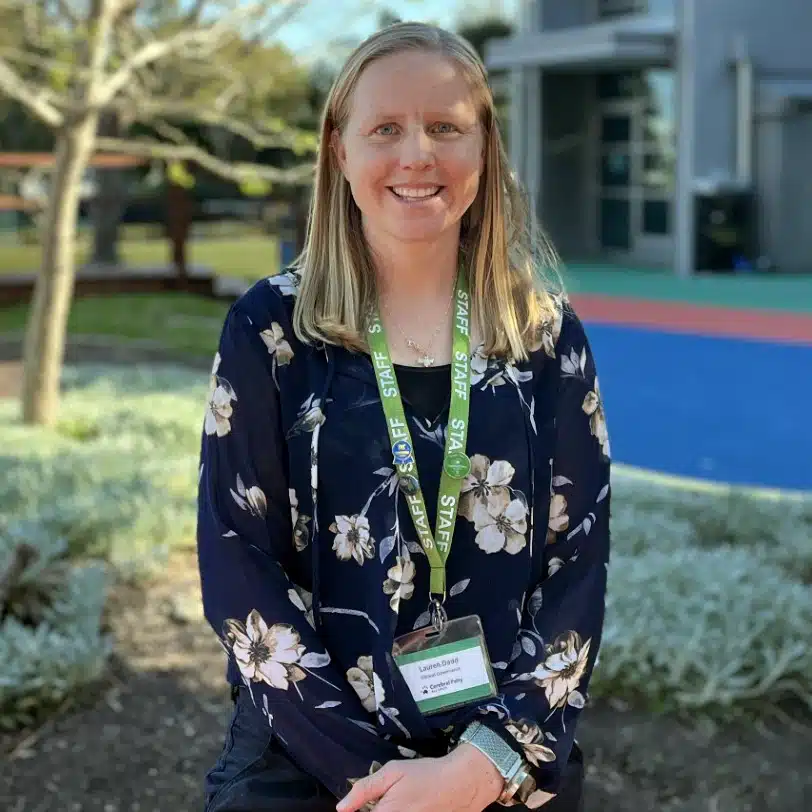
I have the opportunity to work with our passionate clinicians, supporting them to strengthen their clinical reasoning, refine their practice and deliver high-quality, person-centred therapy.
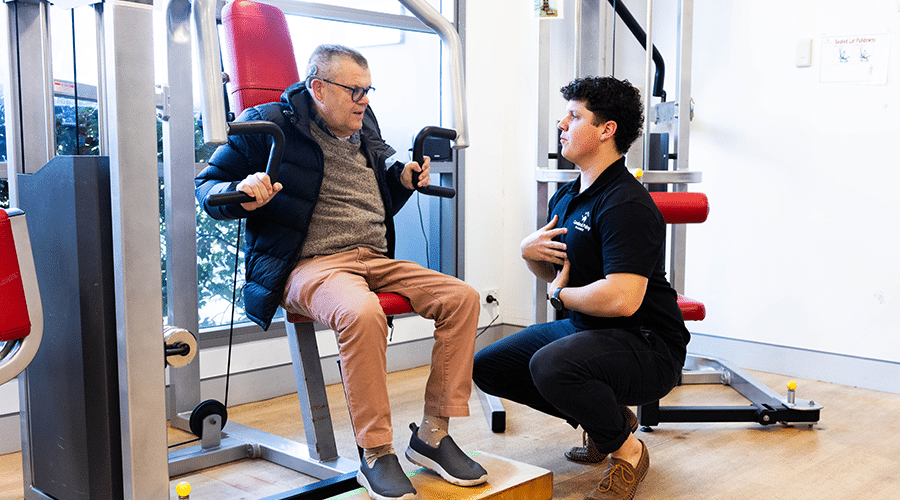
With access to training, multidisciplinary teamwork and clinical support, our EPs can provide safe, evidence-based exercise programs that help clients achieve meaningful outcomes, strengthen participation and ultimately improve their quality of life.
Exercise Physiologists use exercise as medicine to help prevent and manage chronic health conditions. At CPA, however, the impact of exercise physiology reaches far beyond physical health.
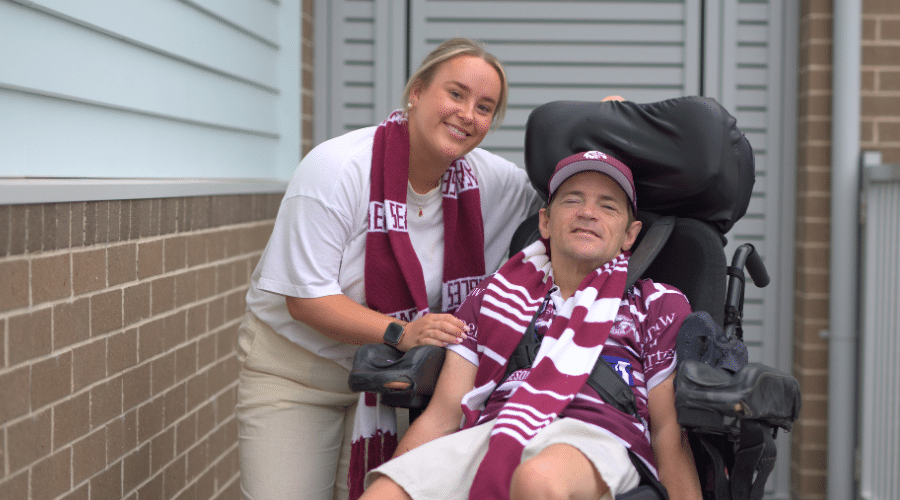
For a young person, it might mean developing the skills and belief in their ability to try a new sport – and eventually joining a team like their siblings or friends. Seeing a child realise, “I can do this,” is one of the purest forms of empowerment.
For an adult, it might mean maintaining the balance and leg strength needed to complete a standing transfer safely. This can make it easier to attend community events, use public facilities and stay connected with the people and places that matter to them. These are not small wins; they are life-changing ones.
These outcomes may begin with exercise, but their impact can be felt across every part of a person’s life.
To me, clinical excellence means delivering therapy in line with CPA’s Model of Care and providing the right intervention, at the right time, for each person and their family or support network. It is evidence-based practice, but it’s also deeply person-centred and family-centred.
It means drawing on the best available evidence while taking the time to understand the individual – their health, daily life, interests and goals. It also means working closely with the wider therapy team so each client receives coordinated and effective support.
Clinical excellence is not only about what we do. It is also about how we do it: listening carefully, adapting our approach and making therapy engaging and relevant to everyday life.
When clinical excellence is done well, clients don’t just achieve their goals; they feel supported, understood and confident along the way.
Being a Clinical Educator allows me to support Exercise Physiologists at every stage of their careers. I help clinicians connect evidence with purpose, and purpose with the people they support.
Watching our EPs strengthen their clinical reasoning, step into their strengths and find creative ways to make exercise meaningful is one of the most rewarding parts of my role. I am continually impressed by the knowledge, commitment and care they bring to their clients and colleagues.
World Clinical Exercise Physiology Day on 23 September is an opportunity to recognise the vital role of Exercise Physiologists in improving health and quality of life.
Most importantly, it is a chance to celebrate every Exercise Physiologist across CPA. Thank you for the expertise, energy and care you bring to your work – and for the many ways you help our clients build strength, improve their health, participate in everyday life and ultimately – thrive!
Learn more about Exercise Physiology